

Famous Last Words: Eric Dane
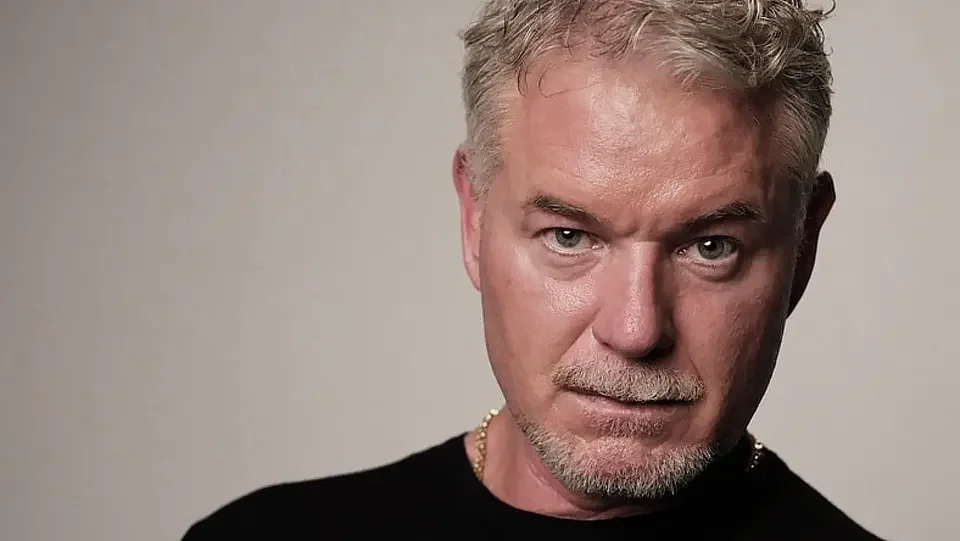
Photo courtesy of Netflix
Famous Last Words: Eric Dane
Famous Last Words: Eric Dane is not a performance piece.
It’s a documentary about a career. A body of work. A public life.
And at the center of it is something far more private: a man facing ALS, fully aware that his time is limited, choosing to speak anyway.
This wasn’t nostalgia.
It wasn’t marketing.
It was preparation.
ALS doesn’t negotiate. It narrows the horizon. And when someone knows their voice, their mobility, and eventually their life will be taken from them, every word carries weight.
That’s the context of this film.
Not abstract legacy.
Reality.
When Time Becomes Visible
Most of us live as if time is theoretical.
In this documentary, time is visible.
You feel it in the pacing. In the tone. In the restraint.
This wasn’t someone casually reflecting on a career arc. This was someone organizing their life while they still had the strength to do it.
There’s a difference between reminiscing and concluding.
And when someone records what are intentionally framed as their “last words,” it forces clarity.
What do you actually say?
What do you leave out?
Who are you speaking to?
The Message to His Daughters
Among the career reflections and the public narrative, what lands hardest is the personal message — especially to his daughters.
Not performative advice.
Not grand declarations.
Just a father trying to compress decades of love, regret, wisdom, and hope into something durable.
When you know ALS will eventually silence you, recording your voice becomes an act of defiance.
You are, in a way, saying:
You may take my body.
You will not take my words.
That’s powerful.
But it’s also something most families only experience under pressure.
The Question We Should Be Asking
Why does it take a terminal diagnosis to make this normal?
Why do we wait until time is visibly short before we think to record what matters?
Most parents have things they want their children to understand:
• What they struggled with.
• What they learned too late.
• What they hope their kids do differently.
• What love actually meant to them.
But those conversations rarely get documented.
They happen in fragments. In passing. Or not at all.
The difference with a documentary like this is intention. It was designed. Structured. Undertaken consciously because the stakes were clear.
But the need for clarity isn’t limited to terminal illness.
What ALS Forces — That We Don’t
ALS forces you to confront silence.
It forces you to reckon with the fact that your ability to speak won’t always be there.
Most of us assume we’ll “get to it later.”
Record something later.
Explain ourselves later.
Tell the full story later.
Later is a luxury.
Eric Dane didn’t treat it that way.
He treated his voice like something finite.
And that’s honest.
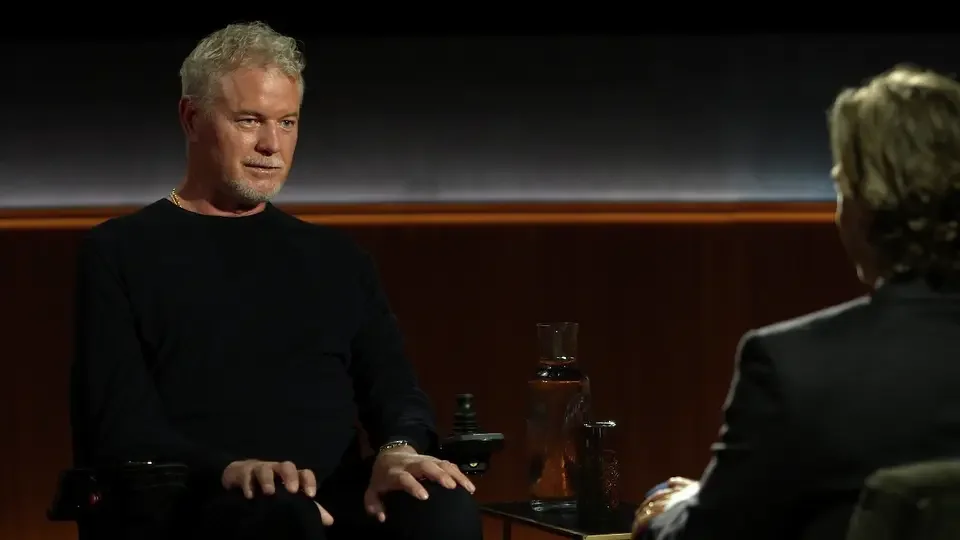
Photo courtesy of Netflix
Why In My Life Matters
The work we do at In My Life Studios isn’t about dramatizing the end.
It’s about removing the emergency from the equation.
You don’t need ALS to justify recording your story.
You don’t need a documentary crew.
You don’t need the frame of “last words.”
You just need awareness.
Awareness that your voice matters.
That your children will one day want context.
That memory fades faster than we admit.
The goal isn’t to create something heavy.
It’s to create something intentional while you’re fully here.
Clear. Strong. Able to choose your words without the pressure of a countdown.
⸻
Famous Last Words: Eric Dane is powerful because it’s honest about what’s happening.
But what it reveals, quietly, is this:
Every parent has words worth recording.
The difference is whether we wait for time to narrow before we act.
You don’t need a diagnosis to speak clearly.
You just need the decision to sit down — and say what matters.
